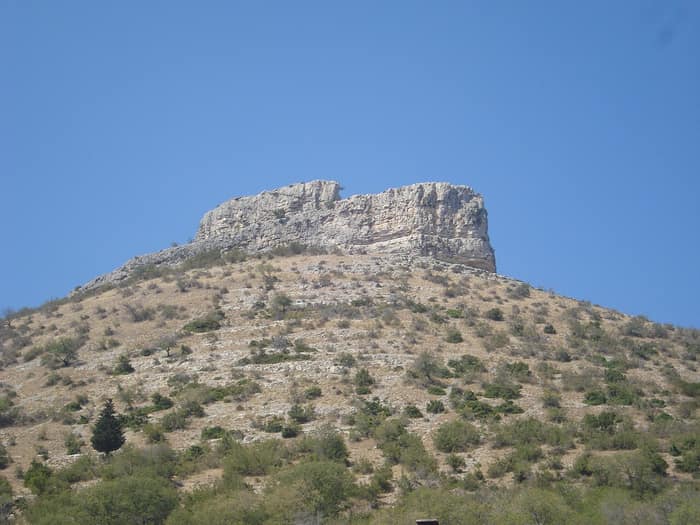
Ostrovica Fortress: the ruined stronghold known as the Key to Zadar
Ostrovica Fortress (Tvrđava Ostrovica) is a ruined medieval fortification on a solid rock above the village of Ostrovica in Zadar County, on the border between Bukovica and Ravni Kotari. Once among the most important strongholds of southern Croatia, it controlled the routes inland from Zadar. Today only fragments survive on the crag, but the history is rich.
The Ostrovica crag was once nicknamed the Key to the City of Zadar. Dukes, Bosnian rulers, Venetians and Ottomans passed it from hand to hand, until the fortress was razed in the 17th century.
The history of Ostrovica Fortress
The name Ostrovica first appears in the second half of the 12th century, when the Byzantine historian John Cinnamus listed the Croatian places taken in 1168 by the army of Emperor Manuel I Comnenus, alongside Split, Trogir, Šibenik and Skradin. It is mentioned again in 1198, when Duke Andrew, the future King Andrew II, camped near the castrum Ostrovica on his way home from a campaign in the south.
Until 1347 the fortress and the whole medieval county of Bribir belonged to the Šubić family, the princes of Bribir. Paul II Šubić lived at Ostrovica and died in 1346. The next year King Louis I demanded the fortress from the family, wanting it as a strategic point in his war against Venice, and gave them the distant estate of Zrin in exchange. Ostrovica controlled the routes between Siscia and Salona and between Zadar and Knin, and it helped the king to win the war, ended by the Peace of Zadar in 1358.
After Louis died in 1382 the fortress changed hands often: Ivan Paližna and his descendants, the Bosnian king Tvrtko I between 1388 and 1391, and from 1393 Vuk Vukčić Hrvatinić. In 1405 it passed with the town of Skradin to Sandalj Hranić Kosača as the dowry of his wife Katarina, Vuk's daughter, which King Ladislaus confirmed in 1407. When Ladislaus sold his rights to Dalmatia to Venice in 1409, Sandalj handed the fortress over to the Venetians for 5,000 ducats under an agreement signed in Zadar on 13 April 1411.
The fall of the Bosnian kingdom to the Ottomans in 1463 put Ostrovica in growing danger, but it stayed within the Croatian-Hungarian kingdom until 1523, when the Ottomans took it with the surrounding land. For the following decades it stood on the unstable frontier between the Ottomans and Venice, and it was razed in the second half of the 17th century. The sources show it still existed in 1671, when Stojan Janković, a famous fighter against the Ottomans, was appointed its Venetian commander. After that only ruins remained on the plateau of the crag.
Curiosities about Ostrovica Fortress
- Ostrovica was known as the Key to the City of Zadar because it was a key defence of the city.
- In 1347 King Louis I took the fortress from the Šubić family and gave them Zrin, a very distant estate in the north of the country, in exchange.
- In 1405 the fortress changed owners as a dowry, when Sandalj Hranić Kosača married Katarina, daughter of Vuk Vukčić Hrvatinić.
- Sandalj Hranić Kosača handed the fortress over to Venice for 5,000 ducats, in an agreement signed in Zadar on 13 April 1411.
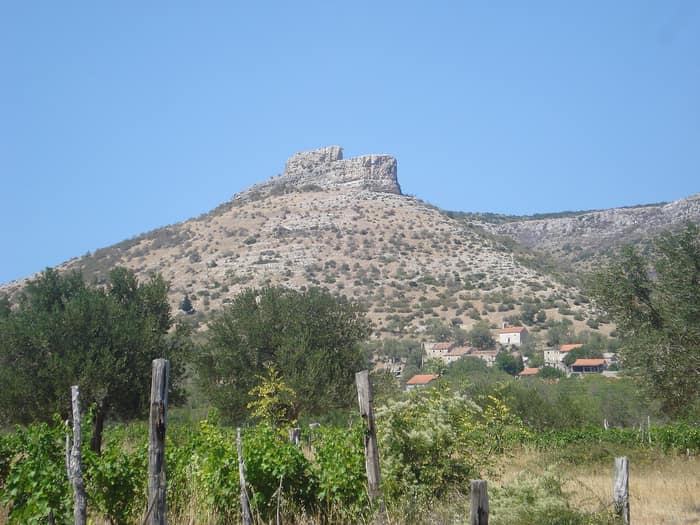
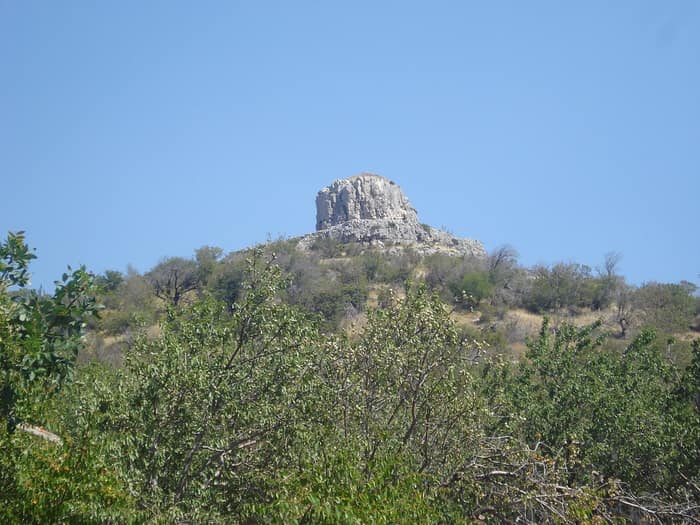
- The fortress sits on a solid rock that juts from the top of a hill, between the regions of Bukovica and Ravni Kotari.
- What survives today includes a stone water cistern, a hewn stone stairway and fragments of Gothic glazed ceramics.
Tours near Ostrovica Fortress
Experiences in the area that you can book online with Viator:


Visiting Ostrovica Fortress
- Little of the fortress stands, so come for the setting and the history rather than for imposing walls.
- Look for what is left on the crag: a stone water cistern, a hewn stone stairway and fragments of Gothic glazed ceramics.
- Details of the path and of access to the summit are not given in the sources, so check locally before you go.
- The site is best combined with other places in the area, such as Krka monastery (about 16 km), Burnum (about 20 km) and Krupa monastery (about 27 km).
- Opening arrangements, if any, are not known from the sources: check the current situation before you go.
Opening hours, access and conditions can change. Check before you go.
Map: where Ostrovica Fortress is
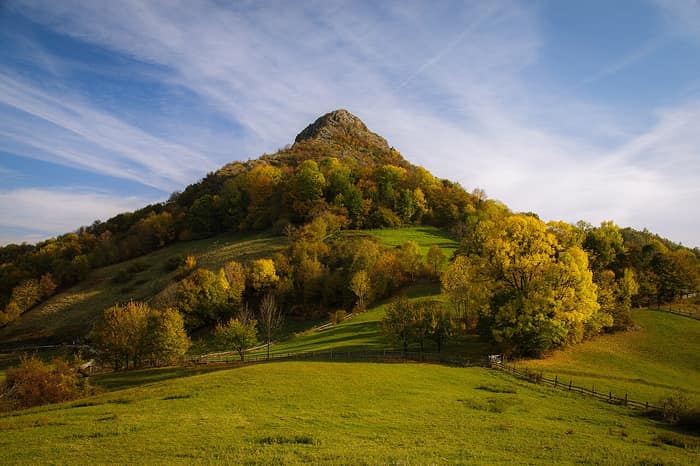
Photos of Ostrovica Fortress
Questions
Where is Ostrovica Fortress?
It stands on a rock above the village of Ostrovica in Zadar County, Croatia, on the border between the regions of Bukovica and Ravni Kotari.
Why was Ostrovica called the Key to the City of Zadar?
It was a key defence of Zadar and controlled important routes between north and south and between Zadar and Knin.
What happened to Ostrovica Fortress?
It was razed during the Ottoman-Venetian wars in the second half of the 17th century, and only a few remains survive.
Who owned Ostrovica Fortress?
Owners included the Šubić family, King Louis I, Bosnian rulers such as Tvrtko I and Sandalj Hranić Kosača, then Venice and, from 1523, the Ottomans.
What can you still see at Ostrovica Fortress?
A few remains survive on the crag, such as a stone water cistern, a hewn stone stairway and fragments of Gothic glazed ceramics.
What else is there to visit near Ostrovica Fortress?
Nearby sites include Krka monastery (about 16 km), Burnum (about 20 km), Krupa monastery and St Nicholas Fortress (both about 27 km).
Also nearby
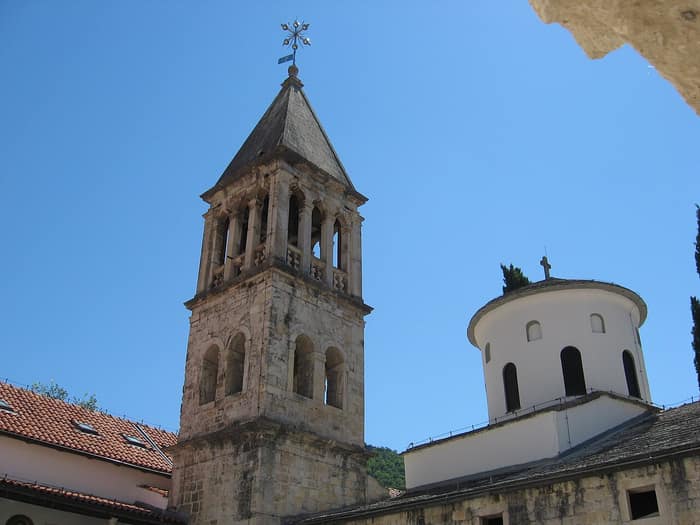
Krka Monastery
Kistanje · monastery built over Roman and Gothic remains
16 km away
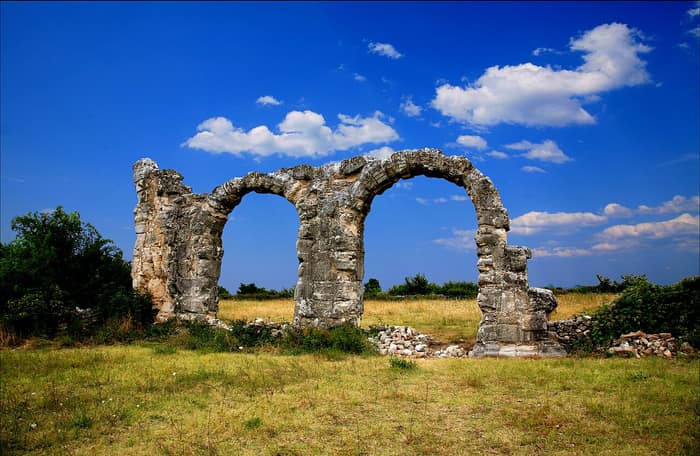
Burnum
Burnum · Roman legionary camp with a rock-cut amphitheatre
20 km away
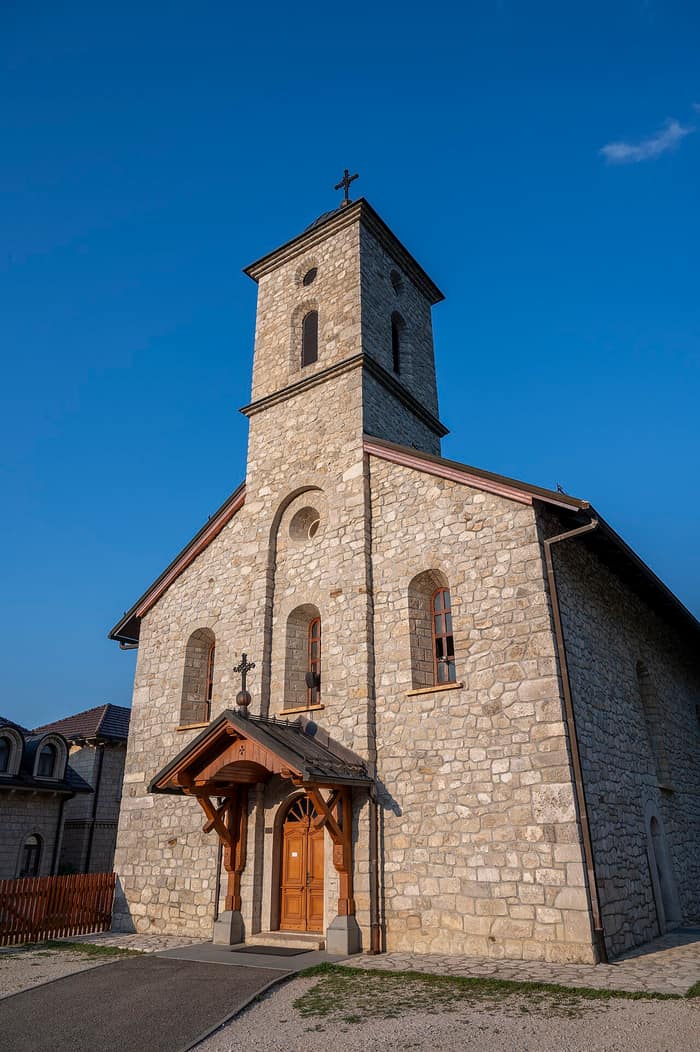
Krupa Monastery
Krupa · Orthodox monastery on the Krupa river, Dalmatia
27 km away
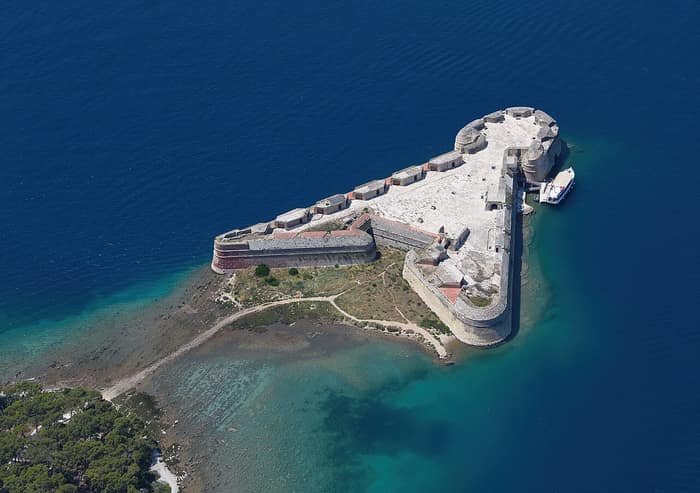
St. Nicholas Fortress
Šibenik · UNESCO-listed Venetian fort on a sea islet
27 km away